
The Complete Morning Skincare Routine for Pakistani Climate

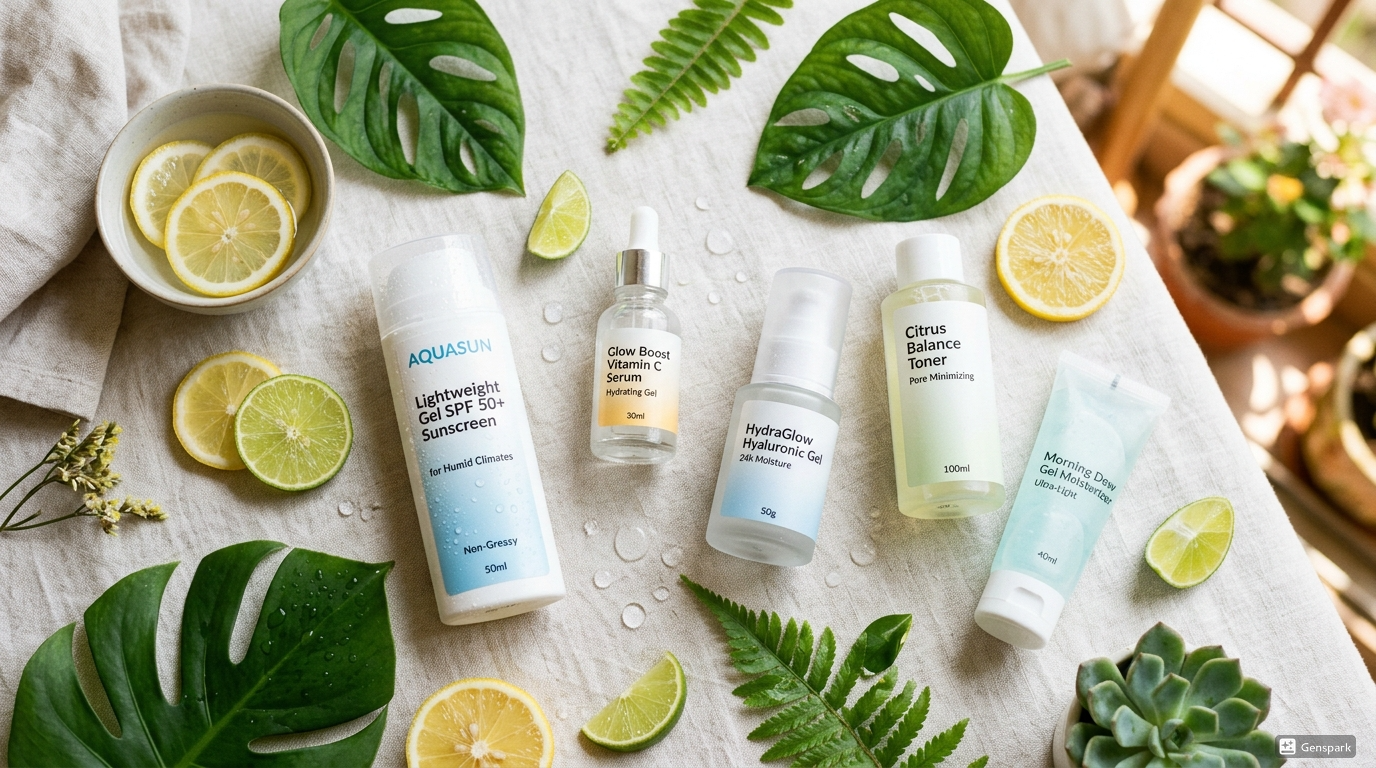
Most skincare content online is written for audiences in temperate climates — mild summers, low UV exposure, and humidity levels that Karachiites would consider a cool day in February. Following this advice without adjustment is one reason a lot of Pakistani women end up with routines that don’t work: too many layers, wrong product types, SPF applied wrong or not at all.
Here’s a morning routine built for actual Pakistani conditions — specifically the combination of high UV, heat, humidity, dust, and often hard tap water that most of us deal with daily.
Step 1: Cleanser
In high humidity and heat, skin produces more sebum overnight. A morning cleanse is not optional here the way some minimalist guides suggest it is in cooler climates.
For oily/combination skin (most common in humid cities like Karachi): A gentle gel or foaming cleanser. Look for formulas with salicylic acid (0.5-2%) if you deal with regular congestion. Avoid anything with fragrance in it — it serves no function and causes irritation over time.
For dry skin: A cream or low-foam cleanser. In winter or if you live somewhere drier (like parts of Balochistan), micellar water as a secondary clean can help preserve moisture.
Hard water caveat: Karachi tap water is notably high in mineral content. If your cleanser isn’t rinsing off cleanly or you notice residue, this is likely why. A final rinse with filtered or bottled water solves it.
Step 2: Toner (Optional but Often Useful Here)
In Pakistani humidity, a lightweight hydrating toner — not the old-school alcohol-based kind — helps balance skin after cleansing and preps it to absorb the next steps better. Ingredients to look for: hyaluronic acid, niacinamide, glycerin.
Skip this step if your cleanser is gentle and your skin feels comfortable immediately after washing. Don’t add steps for the sake of a longer routine.
Step 3: Vitamin C Serum
Morning is the correct time for vitamin C — it pairs with sunscreen to boost UV protection and works better on freshly cleansed skin before heavier products. Apply 3-4 drops to face and neck, let it absorb for 60 seconds before moving on.
The storage problem is real in Pakistani summers. Keep your vitamin C in a cool, dark place — not in the bathroom where heat and humidity degrade it faster. If the serum turns orange or brown, it’s oxidised and no longer effective.
A stable L-ascorbic acid formula at 10-15% is enough. You don’t need 20%+, which increases irritation risk without proportionally increasing efficacy.
Step 4: Moisturiser
Yes, even oily skin needs moisturiser. Skipping it causes the skin to overproduce sebum to compensate — which makes oiliness worse, not better.
Oily/combination: Gel-based or water-gel moisturisers. Lightweight, fast-absorbing, no heavy occlusives like shea or coconut oil. In peak Karachi summer, a single layer of a gel moisturiser may be all you need before SPF.
Dry skin: A slightly richer lotion is fine, but still avoid heavy creams in summer months — they sit on top of skin in heat and feel suffocating. Save thicker formulas for winter.
Niacinamide in your moisturiser is a bonus — it helps with oil control, pore appearance, and pigmentation simultaneously.
Step 5: Sunscreen — The Most Important Step
This is where most Pakistani skincare routines fall apart. Either SPF is skipped entirely, applied in insufficient quantity, or chosen incorrectly for the skin tone and texture.
The SPF you need in Pakistan: SPF 50, broad-spectrum (UVA + UVB). Pakistan sits at a latitude where UV Index regularly hits 9-11 in summer months. SPF 30 isn’t enough for that level of exposure if you’re spending meaningful time outdoors.
How much to apply: The standard is 2mg/cm² of skin — which for the face alone works out to roughly a quarter-teaspoon (about 1.5ml). Most people apply one-third of this and wonder why they’re still getting sun damage.
The white cast problem on South Asian skin: Mineral sunscreens (zinc oxide/titanium dioxide) leave a white cast on medium to dark skin tones, which is why compliance is low. Chemical sunscreens absorb transparently and are a better match for most Pakistani skin tones. Ingredients like avobenzone, tinosorb, or mexoryl provide broad-spectrum coverage without cast.
Reapplication: If you’re outdoors, reapply every two hours. Indoors near windows — once in the morning is sufficient, as UVA penetrates glass.
What to Leave Out in the Morning
Exfoliants (AHAs/BHAs) are better at night — they increase photosensitivity and have no benefit applied before SPF. Retinol is a night-only ingredient. Heavy oils belong at night in summer. Fragrance-heavy products are unnecessary at any time — substitute with functional ingredients.
A morning routine for Pakistani conditions should be fast, lightweight, and focused: cleanse, treat, protect. Five to seven minutes maximum. More layers mean more pilling, more shine, and more chance of something going wrong under your sunscreen.
The One Non-Negotiable
You can skip the toner. You can use a cheap cleanser. You can do vitamin C inconsistently. But sunscreen every single morning — correctly applied — is the one step that prevents most of what people try to reverse later: hyperpigmentation, sun damage, uneven tone, premature ageing. It works better than every serum combined, at a fraction of the cost.